

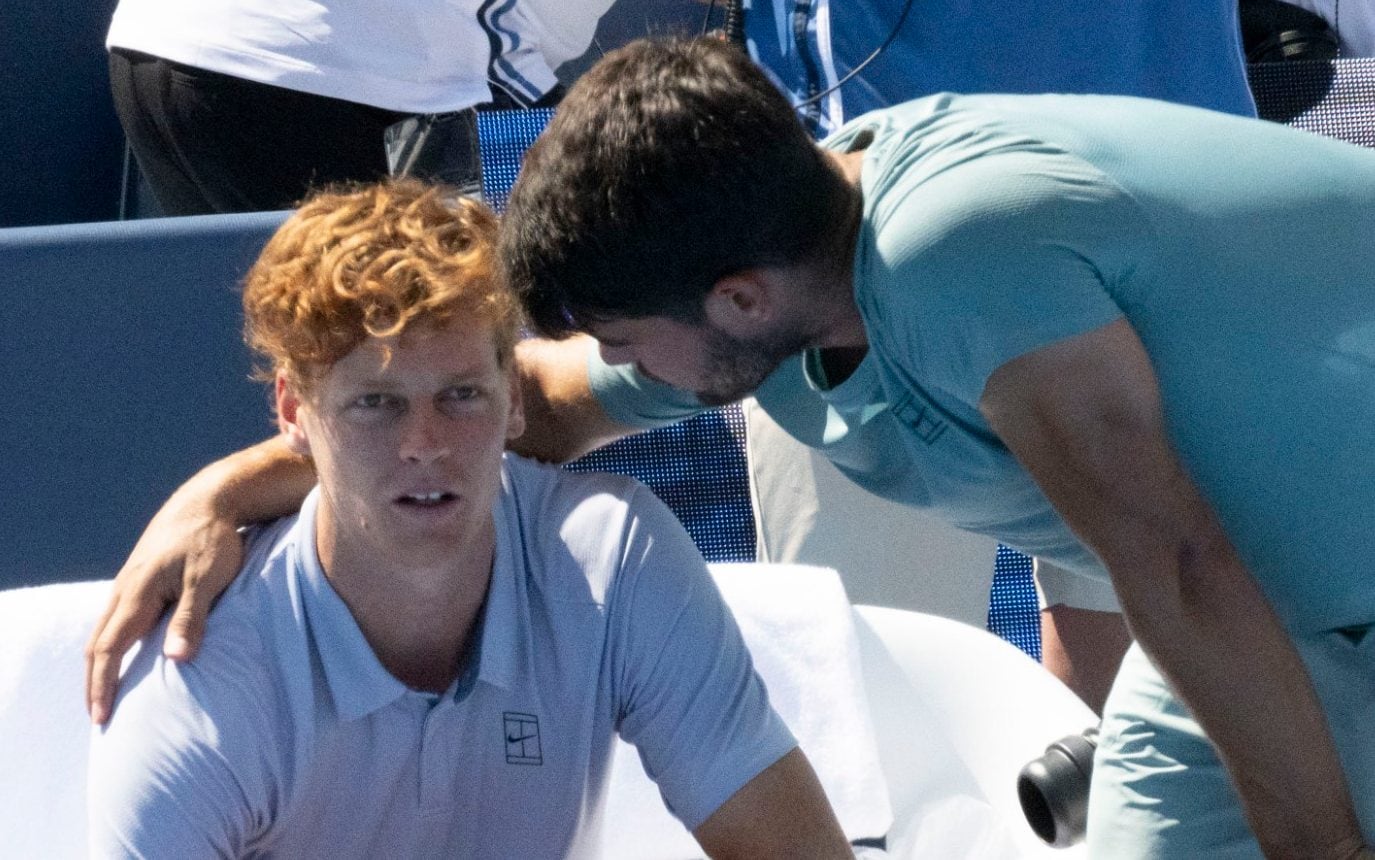
Jannik Sinner’s withdrawal from the Cincinnati Open just days before the Masters 1000 event comes as more of a blow to the tournament than a shock as injuries wreak havoc in men’s tennis.
Such pull-outs are becoming an intrinsic part of the ATP Tour to the extent that it is difficult to remember a time when each tournament’s build-up was not punctuated by similar announcements.
Carlos Alcaraz’s own withdrawal preceded his rival Sinner’s by a few days as the Spaniard continues his rehabilitation from a wrist injury that forced him to miss this year’s French Open and Wimbledon.
Meanwhile, 39-year-old Novak Djokovic was missing from the ongoing Canadian Open. Djokovic is selective when entering tournaments as he pursues longevity in a demanding sport, but the Masters 1000 event in Montreal is the level just below a grand slam and considered one of the most prestigious on the tour.
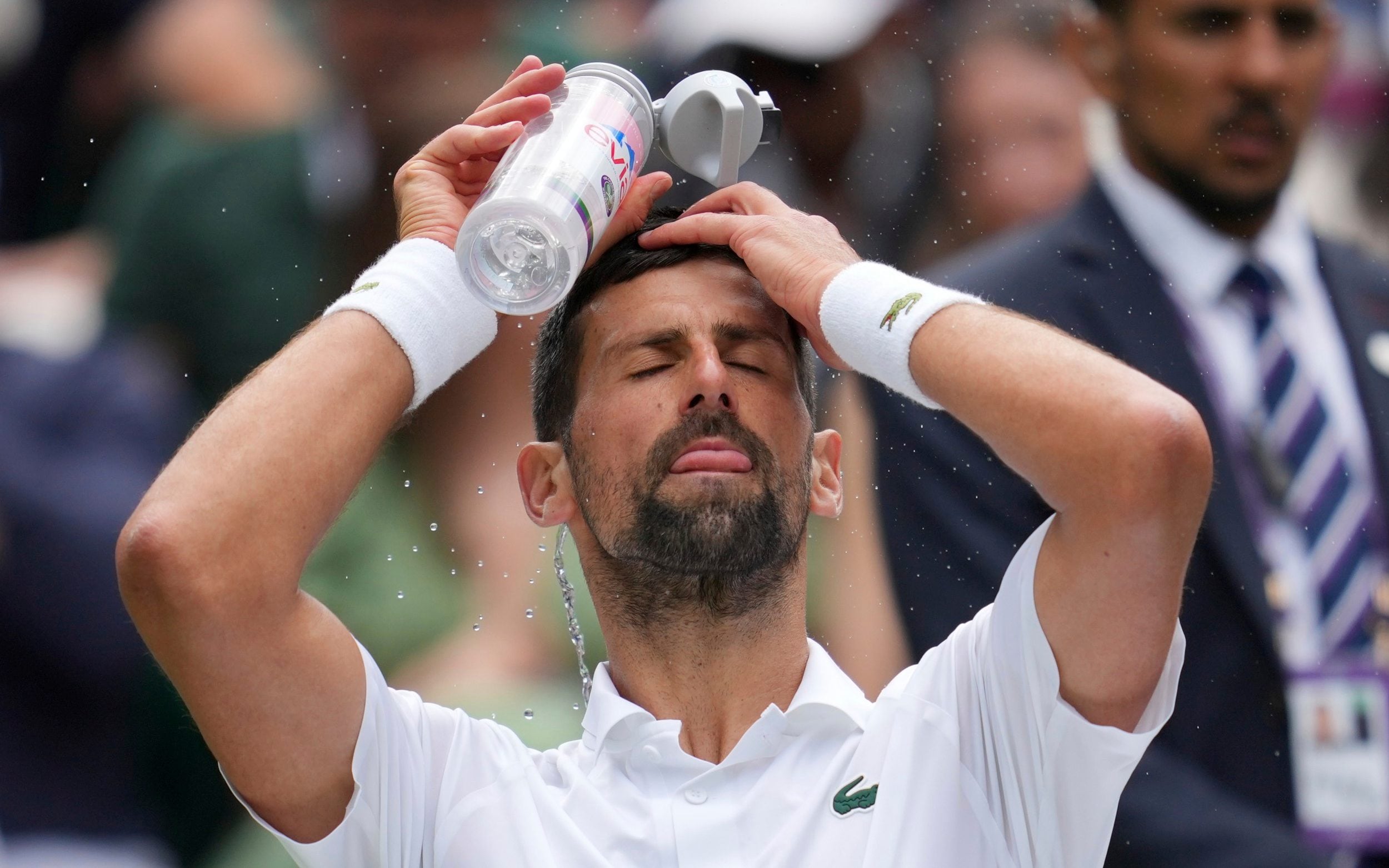
Worryingly for the ATP, only four players in the world’s top 10 (Alexander Zverev, Daniil Medvedev, Alex de Minaur and Flavio Cobolli) have taken part in every Masters 1000 event this year, as the injury crisis that has afflicted the upper echelons of the men’s game shows no signs of abating.
Even for the few who entered the Canadian Open draw, the tournament has been rife with upsets and injuries, with Zverev, Medvedev, Taylor Fritz and Cobolli failing to win a match.
Instead of the names who have become ever-present members of the world’s top 10 in recent years, the quarter-final list in Montreal (Ben Shelton, Rafael Jodar, Jakub Mensik, Learner Tien, Luciano Darderi, Arthur Fils, Brandon Nakashima, Daniel Merida) is a nod to the next generation with all of the last eight aged 25 or younger.
The 2026 Canadian Open has already gathered an intriguing collection of statistics. It is the first Masters 1000 tournament since 1991 with no top-five players reaching the third round, the first to have a quarter-final line-up made up of players born in the 2000s and the first this year to have only one top-10 player (Shelton) to reach the last eight.
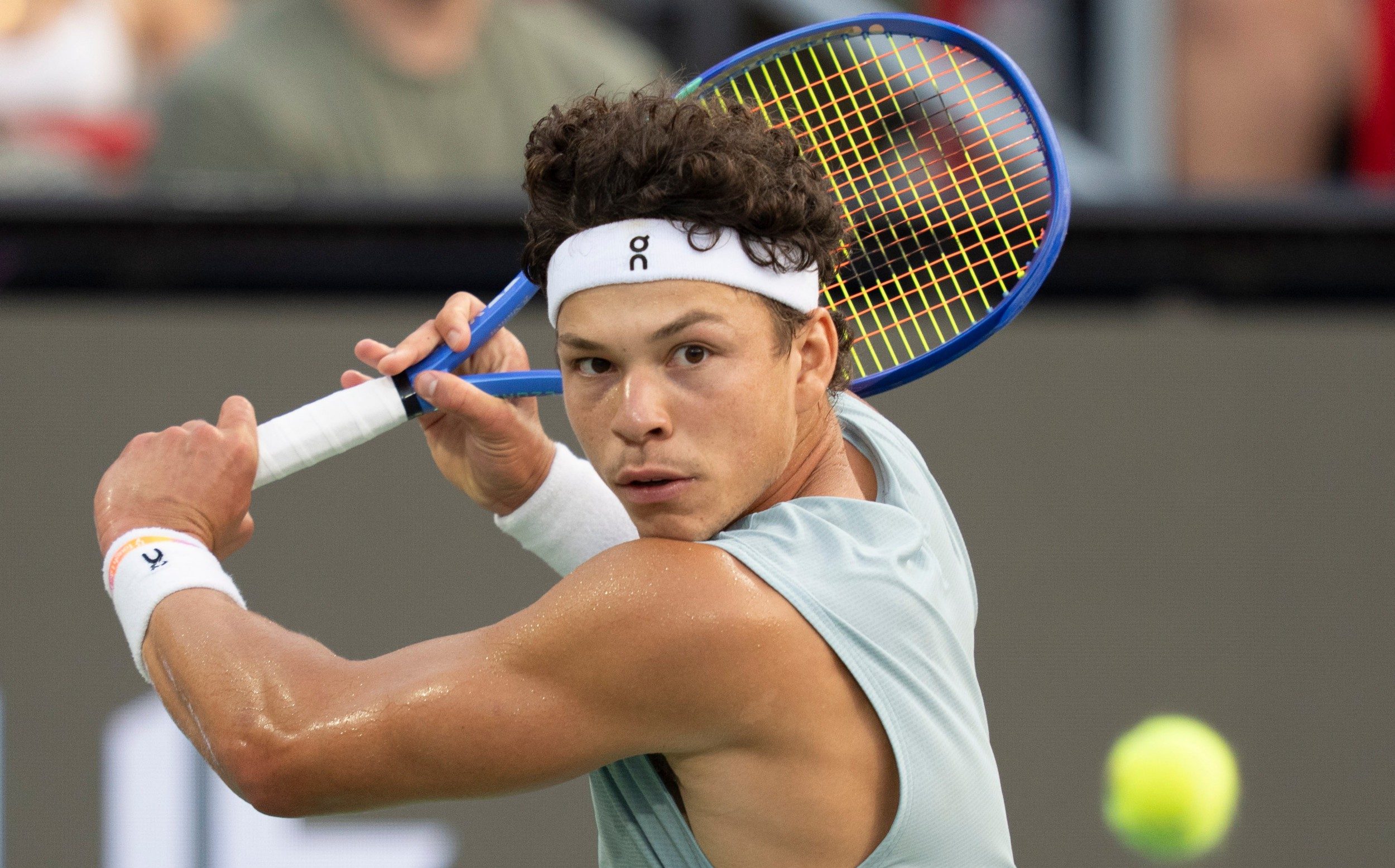
Tennis fans have started to raise concerns about top players regularly missing events. However, the tour has its own interests at heart, including a desire to squeeze out every revenue source possible.
The last time the quarter-finals of such a high-level competition had one or fewer players in the top 10 was the 2025 Shanghai Masters, and it also occurred in 2023 in Toronto – but before that you had to go back to 2003.
It is a far cry from the 2009 event in the same city where all top-eight seeds made the quarter finals, including the likes of Rafael Nadal, Roger Federer and Djokovic.
The Professional Tennis Players Association (PTPA) has issued a strongly worded statement linking the length of the season, and the fact that seven of the nine Masters 1000 events have expanded to a 12-day format, to the rise in injuries.
It cites a collection of “analysis of injury data from more than 30,000 professional matches spanning the past eight years across all levels of the sport”, before concluding that – in the first quarter of this year, compared with the previous seven – upper-body injuries are up 42 per cent, arm injuries 112 per cent, match-ending injuries 53 per cent and recurrence of injuries 55 per cent.
The PTPA is not without its controversial side. It was co-founded by Djokovic, who stepped away from the organisation in January citing concerns about “transparency and governance” and in July escalated a dispute over the group’s leadership and ongoing anti-trust lawsuit.
In 2025, the ATP Tour announced that the Canada and Cincinnati Masters would become 12-day events, following Rome, Madrid and Shanghai, which did so in 2023.
Zverev was one of the most vocal critics of the change, saying in 2025: “To be honest, I’ve not heard a single player say that they love the two-week Masters events. I don’t even think fans like that. They don’t like waiting for two days for their favourite player to play again. I understand tennis is a business, but I’m not sure that business plan is working very well right now.”
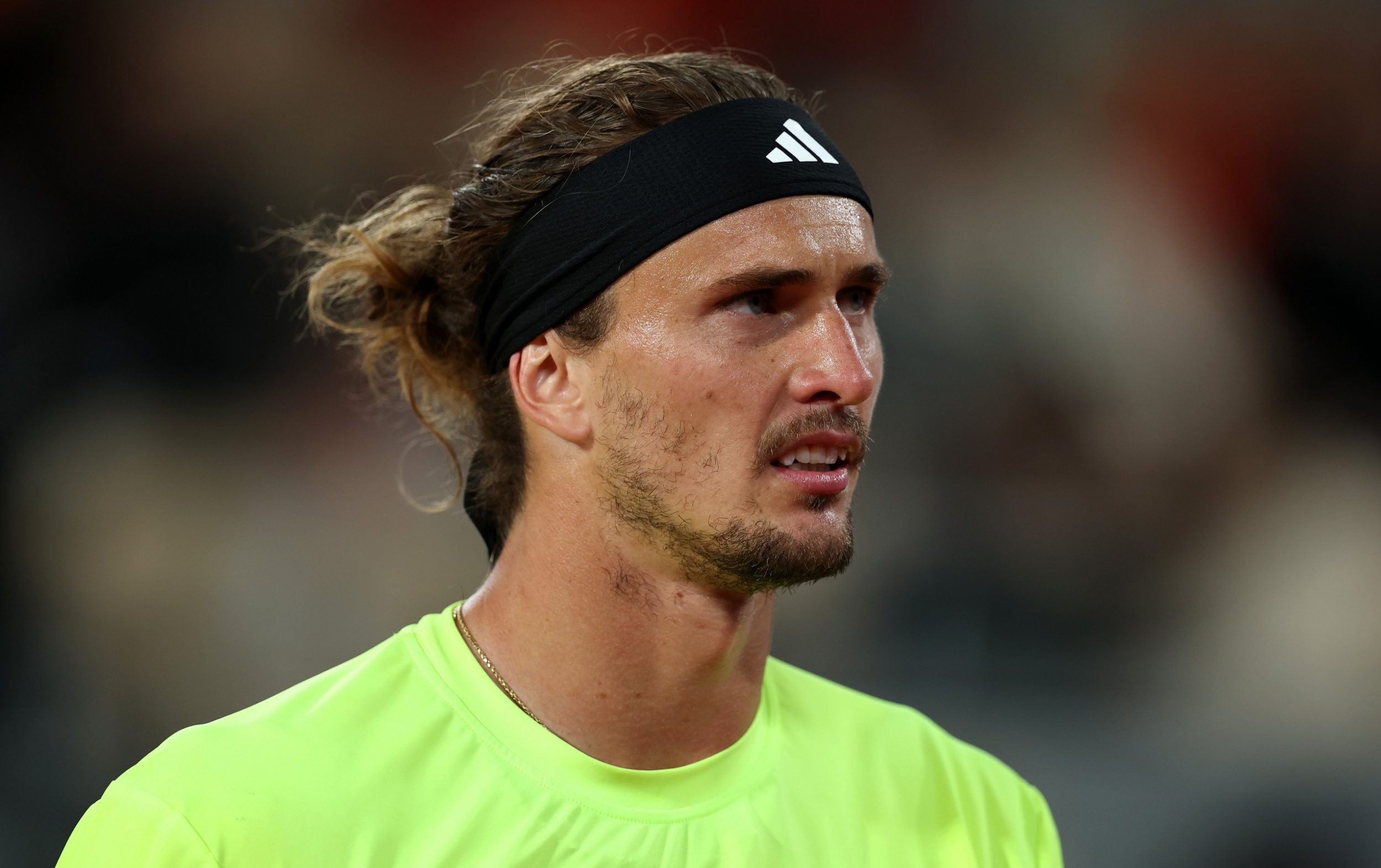
As players increasingly raised awareness about the unsustainable nature of the schedule in January, the ATP did reduce the number of mandatory 500 events from five to four, but there was no reduction in the requirement for players to take part in each of the eight mandatory Masters 1000 events. Those who skip them have their bonus pool reduced for each subsequent tournament missed – unless injured.
For the likes of Sinner and Alcaraz, who can earn millions of dollars from appearing in exhibitions such as the Six Kings Slam, the bonus system is unlikely to be a sufficient incentive to convince them to play all Masters 1000 events.
As professional tennis becomes more gruelling, the demand for high-level competition continues to mount. But that is only possible with the best players competing regularly at the top of their game – something that is becoming a rapidly fading memory.
The ATP has been contacted for comment.
O que achou dessa notícia? Deixe um comentário abaixo e/ou compartilhe em suas redes sociais. Assim conseguiremos informar mais pessoas sobre o que acontece no mundo do tênis!
Convidamos você a clicar em Página de Parceiros para conhecer os parceiros do Tênis Portal e acessar seus sites.
Esta notícia foi originalmente publicada em: Fonte original